What comes to mind when you think of workplace accessibility? For many, an accessible workplace means wheelchair ramps and elevators; quiet spaces without distractions or sensory overload; or flexible hours and/or the option to work remotely. As important as all of these are, clear written and verbal communication is just as essential. Grammarly’s 2024 State...
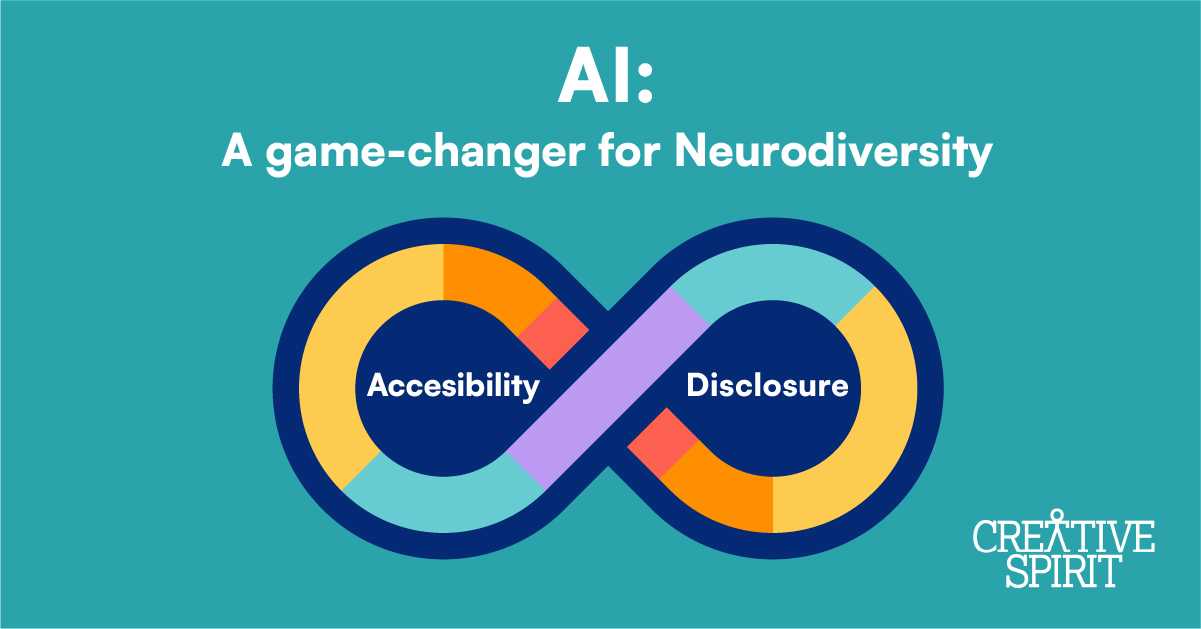
The growing prevalence of AI in everyday life, especially in the workplace, has prompted valid concerns about its potential impact on jobs and cautious optimism about its value as a tool for research and for streamlining mundane, repetitive tasks. For the millions of employees who are neurodivergent, AI holds potential in another area: to improve...
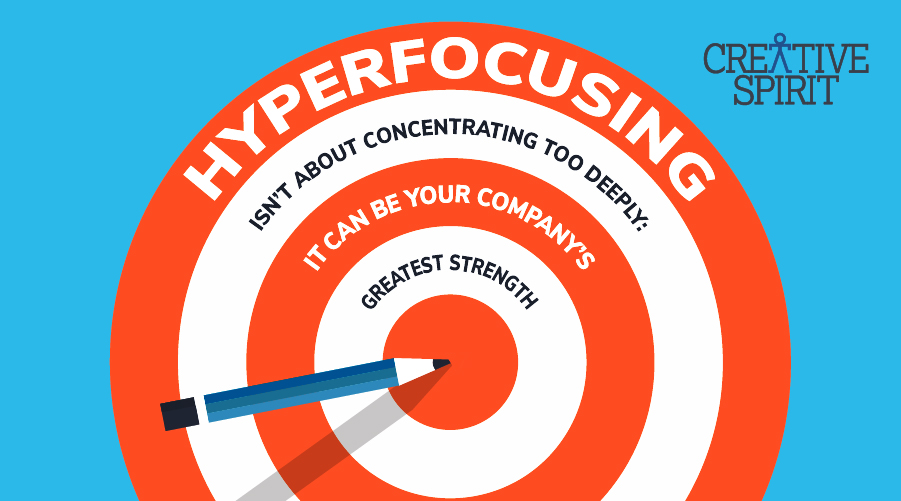
Excellent memories; expert attention to detail; an impeccable work ethic; creative approaches to problem solving; these are just a few of the strengths shared by many individuals who are neurodivergent, along with specialized skills in technology, data analytics, media, the arts, and much more. One less widely noted trait is the tendency of many neurodivergent...
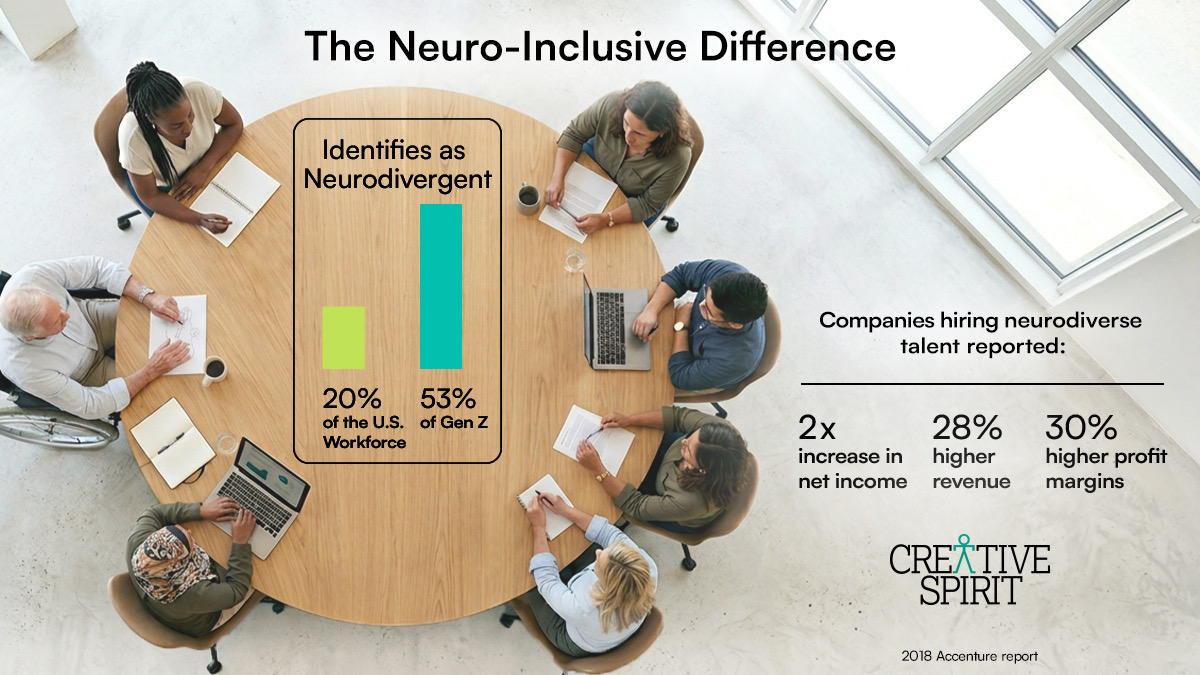
Executive Summary Approximately 65.6 million U.S. adults (around 20% of the U.S. population) are neurodivergent, an umbrella term that reframes autism spectrum disorder, dyslexia, OCD, ADHD, and other cognitive differences not as handicaps, but as normal variations in how the human mind functions. The neurodivergent community, comprising roughly 20% of the U.S. workforce, is indispensable...
6 years after the COVID-19 pandemic swept across the U.S. and the world, most companies have mandated returning to the office, in contrast to the remote/hybrid work schedules that became the norm during the pandemic. For many neurodivergent employees, such as those with autism spectrum disorder (ASD), ADHD, dyslexia, or other cognitive differences, remote work...
For the 15-20% of people worldwide who are neurodivergent and/or have physical disabilities, the frustration of navigating workplaces, schools, city streets, and other spaces is all too familiar. Most people take these environments for granted, yet people with disabilities often encounter sensory overload, disorientation, and barriers to physical mobility. This raises a simple, yet fundamental...
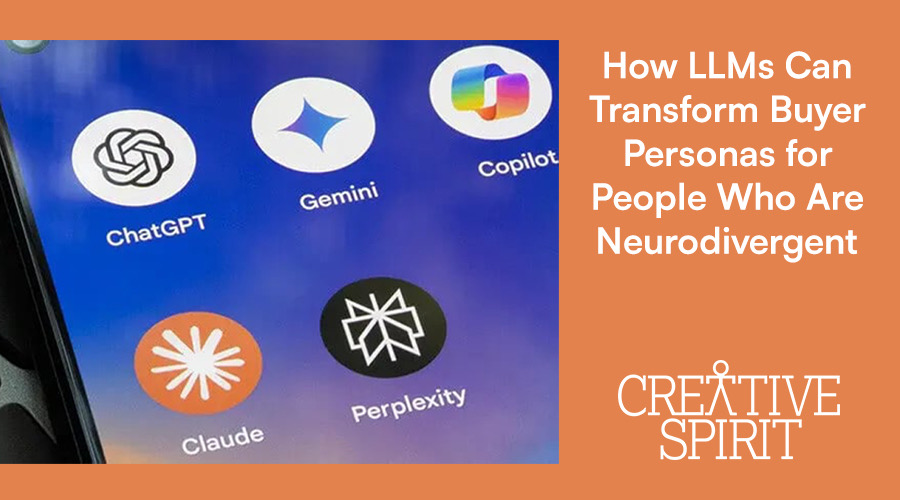
Over the past several decades, advances in technology have greatly improved accessibility and inclusion for the more than 50 million people in the U.S., and the approximately 1.6 billion people worldwide, who are neurodivergent. One of the most fascinating, less talked about ways in which technology is making a difference is through enhancing buyer/user personas,...
Even in stable and healthy workplaces, employees can’t always be on the same page. At some point, creative differences, disagreements, and miscommunications are bound to happen. When they do, one of the most effective conflict management strategies is accessible teamwork. Simply put, this means structuring collaboration so that team members of all backgrounds and abilities...
It’s safe to say that most people wouldn’t initially connect dyslexia, a neurodevelopmental condition that impacts spelling and language (affecting 15-20% of Americans and 10% of the global population), with an environmental issue like climate change. However, new research suggests a surprising link between dyslexia and the development of effective strategies to mitigate climate change...
For decades, Kelly Brenner, a naturalist, photographer, and writer, has found respite from the chaos of city life in the peace and tranquility of nature.“Living in the city is hard because of the constant sensory overload that leaves me feeling drained all the time,” Brenner writes in her essay “Web of Possibility.” As if being...
We use cookies to ensure that we give you the best experience on our website. If you continue to use this site we will assume that you are happy with it.